
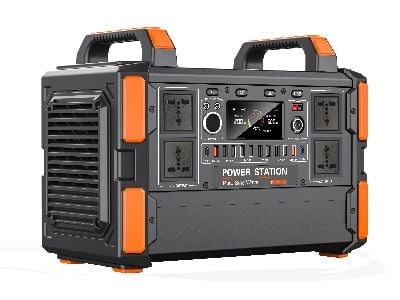
How Fast Can Portable Solar Power Stations Recharge?
Portable solar power stations are useful tools for outdoor activities, travel, camping, backup power, and emergency situations. They allow users to store electricity and use it to charge devices such as phones, laptops, lights, small appliances, and other equipment. One of the most common questions buyers ask is how quickly a portable solar power station can recharge.
The answer depends on several factors, including battery capacity, solar input, panel wattage, sunlight intensity, temperature, panel positioning, and the compatibility between the solar panels and the power station. Poforce provides portable solar power solutions designed for convenient energy storage, but actual charging times can vary depending on operating conditions. Understanding these factors can help buyers select the right system and get better performance from their solar equipment.
What Determines the Recharge Speed of a Portable Solar Power Station?
The recharge speed of a portable solar power station is mainly determined by the amount of energy the solar panels can provide and the capacity of the internal battery. A station with a larger battery generally needs more energy to reach a full charge. However, a higher solar input can shorten the charging time. For example, a power station with a large battery and a high solar input rating may recharge faster than a smaller system using low-output panels. Buyers should therefore look at both battery capacity and maximum solar input instead of comparing only the battery size.
Solar panel wattage is another important factor. Larger or higher-output panels can generate more electricity under suitable sunlight conditions. Some portable power stations can also accept multiple compatible solar panels, potentially increasing the available charging input.
Weather conditions have a major effect as well. Bright, direct sunlight usually provides better solar generation than cloudy or rainy conditions. Even when panels continue producing electricity under cloudy skies, their output can be significantly lower.
Panel orientation also matters. solar power station panels should be positioned so that they receive as much direct sunlight as practical. Shadows from trees, buildings, vehicles, or other objects can reduce energy production. Temperature can also influence performance. Extremely hot conditions may cause electronic equipment to reduce performance to protect itself, while very cold temperatures can affect battery behavior. Users should always follow the manufacturer's recommended operating and charging temperature ranges. The condition of the panels should not be overlooked. Dust, dirt, leaves, and other debris can reduce the amount of sunlight reaching the photovoltaic cells. Keeping the panels clean can help maintain their expected performance. For wholesale buyers, these factors are especially important. Instead of simply asking which model charges fastest, buyers should compare battery capacity, maximum solar input, compatible panel configurations, charging conditions, and manufacturer specifications.
Where Can You Find Fast-Recharging Portable Solar Power Stations for Wholesale?
Businesses searching for fast-recharging portable solar power stations should begin by comparing manufacturers and distributors that provide detailed technical specifications. Poforce is one option for buyers looking for portable solar power solutions for outdoor, backup, and energy-storage applications.
When comparing models, check the maximum solar charging input. This specification indicates how much solar power the station can accept under suitable conditions. A higher input rating can provide an opportunity for faster charging when sufficient sunlight and compatible panels are available.
Buyers should also examine the battery capacity. A larger battery may provide more stored energy, but it can also require more energy to recharge fully. Therefore, charging speed should always be considered together with usable capacity.
Another important feature is the available charging methods. Some portable power stations can be charged through solar panels, wall outlets, vehicle charging systems, or combinations of these methods. Having multiple charging options can make the equipment more practical for users who operate in different environments. Wholesale buyers should also consider the intended application. A camping retailer may want lightweight systems that are easy to carry, while emergency-preparedness suppliers may prefer larger-capacity models designed to provide backup power for longer periods.
Product documentation is equally important. Manufacturers should provide information about charging input, battery capacity, supported solar panels, operating conditions, safety functions, and other relevant specifications. Reviews can provide additional insight, but they should not replace technical specifications. Actual recharge times reported by users may differ because sunlight, weather, panel positioning, battery level, and other conditions vary.
Before placing a large wholesale order, buyers can request product samples or detailed specifications. This makes it easier to evaluate the equipment before committing to a larger purchase.
How Does Weather Affect Solar Power Station Charging Time?
Weather is one of the biggest variables affecting solar charging performance. A portable solar power station relies on photovoltaic panels to convert sunlight into electricity, so the available sunlight directly affects the charging process. On a clear day, solar panels can generally operate closer to their rated output when they are properly positioned. This can help reduce the time required to recharge the battery.
Cloudy conditions are different. Solar panels can still produce electricity when the sky is cloudy, but the available solar energy is usually lower. As a result, the charging process can take longer. Rain can also reduce solar generation because clouds block much of the direct sunlight. In addition, users need to ensure that their equipment is operated according to the manufacturer's weather and water-resistance requirements.
Panel angle is another important consideration. A panel facing the sun more directly can generally collect more available solar energy than a panel positioned poorly. As the sun moves throughout the day, adjusting portable panels may help maintain better exposure.
Shading is particularly important. Even partial shade from a tree, building, tent, or vehicle can reduce the output of a solar panel. When charging outdoors, users should choose an open location with minimal obstruction. Temperature should also be considered. solar powered electric generator panels and batteries have recommended operating ranges, and extreme temperatures can affect performance. Users should follow the manufacturer's instructions rather than assuming that the system will perform identically in every climate. Because weather changes from day to day, advertised charging times should generally be treated as reference figures under specified conditions rather than guaranteed results. For this reason, buyers comparing portable solar power stations should look at the testing conditions behind the manufacturer's stated charging times.
How Can You Optimize the Charging Time of Your Portable Solar Power Station?
There are several practical ways to improve solar charging performance. First, place the solar panels where they receive maximum direct sunlight. Avoid locations where trees, buildings, vehicles, or other objects create shadows. Even a small change in positioning can make a noticeable difference in available solar input. Second, position the panels appropriately for the sun. Portable panel stands can make it easier to adjust the angle. If practical, repositioning the panels during the day can help maintain better exposure as the sun moves. Third, use compatible solar panels that meet the power station's specifications. Not every panel can be connected safely to every power station. Users should check the supported voltage, current, connector type, and maximum solar input before making a connection. Using a panel configuration that exceeds the power station's maximum supported input does not necessarily make it charge faster. The system may limit the incoming power, and an incompatible setup could create safety or equipment problems. Always follow the manufacturer's specifications.
Keeping the panels clean is another simple step. Dust and debris can reduce the amount of light reaching the photovoltaic cells. A soft, appropriate cleaning method can help maintain panel performance. Users should also avoid unnecessary power consumption while charging if they want the battery to reach a higher state of charge more quickly. If the station is simultaneously powering several devices, some of the incoming solar power generator energy will be used immediately instead of being stored in the battery. Finally, choose suitable charging conditions. If possible, begin charging when strong sunlight is expected rather than during periods of heavy cloud cover or rain. Poforce portable solar power solutions can be evaluated according to their charging input, battery capacity, compatible solar panels, and intended application. Following the manufacturer's instructions is the best way to achieve reliable performance.
How Should You Compare Recharge Times Between Portable Solar Power Stations?
When comparing different portable solar power stations, buyers should avoid looking at recharge time alone. A model that appears to charge quickly may have a smaller battery, while a larger system may take longer but provide considerably more usable energy. Start by comparing battery capacity. This tells you how much energy the station can store. Next, compare the maximum solar input, which indicates how much solar energy the system can accept. The relationship between these specifications is useful when evaluating charging potential. For example, a station with a 1,000 Wh battery and a 200 W maximum solar input has a different charging profile from a station with a 500 Wh battery and a 200 W input.
Theoretical charging calculations are not the same as real-world charging times. Energy conversion losses, changing sunlight, temperature, panel orientation, and charging-system limitations can all affect the actual result. Buyers should also compare charging through different sources. If a power station supports both solar and AC charging, its AC recharge time may be much shorter than its solar recharge time under certain conditions. This can be useful when preparing for emergencies or when solar conditions are poor.
Customer reviews can provide practical information about performance, but buyers should look for reviews that explain the conditions under which the charging time was measured. A review from a sunny outdoor environment may not represent performance in a cloudy location.
Manufacturer documentation is usually the best starting point for technical comparisons. Poforce product information can help buyers identify battery capacity, charging specifications, supported solar configurations, and other important features. For wholesale purchasing, it is also useful to compare warranty coverage, technical support, product consistency, packaging, order quantities, and supplier reliability. A fast-charging product is valuable, but dependable supply and support are equally important for businesses.
How to Choose the Right Portable Solar Power Station Based on Recharge Speed?
Choosing the right portable solar power station starts with understanding how you plan to use it. If the system is mainly intended for charging phones, tablets, cameras, lights, and other small devices, a compact model may provide sufficient capacity. For larger equipment or longer periods without grid electricity, a higher-capacity system may be more appropriate. However, larger batteries require more energy to recharge, so buyers should also consider a higher solar input where supported. The solar panel configuration is another key factor. Higher-wattage panels can potentially provide more charging power when sunlight conditions are suitable. Before purchasing, make sure the panels are compatible with the station and do not exceed its supported input specifications. Portability is also important. A system designed for hiking or camping may need to be lightweight and compact, while an emergency backup system for a home or worksite may prioritize battery capacity over minimum weight.
Buyers should also consider the number and types of output ports. USB ports, AC outlets, DC outputs, and other connections can make a power station more versatile for different devices. Safety features should not be overlooked. Look for manufacturer information about protections against conditions such as overcharging, overheating, overcurrent, and short circuits. These features can contribute to safer operation when the equipment is used regularly.
For wholesale buyers, consistency is especially important. Ask about product specifications, quality control, warranty terms, minimum order quantities, customization possibilities, and after-sales support before making a purchase. Ultimately, the fastest-recharging portable solar power station is not automatically the best choice for every user. The ideal model should provide a suitable balance of battery capacity, solar input, portability, compatibility, safety, and charging performance. Poforce offers solar power solutions that can be considered by businesses and consumers looking for portable energy-storage equipment. By understanding how solar input, battery capacity, sunlight, weather, and panel positioning affect charging performance, buyers can make more informed decisions and get greater value from their solar power systems.
Table of Contents
- How Fast Can Portable Solar Power Stations Recharge?
- What Determines the Recharge Speed of a Portable Solar Power Station?
- Where Can You Find Fast-Recharging Portable Solar Power Stations for Wholesale?
- How Does Weather Affect Solar Power Station Charging Time?
- How Can You Optimize the Charging Time of Your Portable Solar Power Station?
- How Should You Compare Recharge Times Between Portable Solar Power Stations?
- How to Choose the Right Portable Solar Power Station Based on Recharge Speed?