Przenośne energie słoneczne kontra tradycyjne generatory: które rozwiązanie jest lepsze dla firm?
Przenośne energie słoneczne stają się popularną opcją energetyczną dla firm, które potrzebują niezawodnego zasilania elektrycznego podczas pracy poza tradycyjnymi źródłami energii. Firmy budowlane, przedsiębiorstwa działające na otwartym powietrzu, zespoły ratownicze, organizatorzy wydarzeń oraz mobilne jednostki operacyjne mogą wszystkie wymagać przenośnych rozwiązań energetycznych. Dwie powszechne opcje to systemy przenośnej energii słonecznej oraz tradycyjne generatory napędzane paliwem.
W Poforce , rozumiemy, że wybór między tymi opcjami wymaga przeanalizowania kilku czynników, w tym kosztów eksploatacji, przenośności, poziomu hałasu, emisji oraz wymagań związanych z ładowaniem i dostępną mocą. Przenośna energia słoneczna wykorzystuje światło słoneczne do generowania prądu elektrycznego i może magazynować energię w akumulatorach, podczas gdy tradycyjne generatory zwykle korzystają z benzyny, oleju napędowego lub innego paliwa. Zrozumienie różnic między nimi pozwala przedsiębiorstwom wybrać rozwiązanie najlepiej odpowiadające ich konkretnym potrzebom.
W jaki sposób przenośna energia słoneczna porównuje się do tradycyjnych generatorów?
Przenośne systemy zasilania słonecznego i tradycyjne generatory zapewniają energię elektryczną w sytuacjach ograniczonego dostępu do sieci, ale działają w bardzo odmienny sposób. Przenośny system zasilania słonecznego zwykle wykorzystuje panele fotowoltaiczne do przechwytywania światła słonecznego i przekształcania go w energię elektryczną. Uzyskana energia może być następnie magazynowana w akumulatorze i wykorzystywana do zasilania urządzeń w razie potrzeby. Tradycyjne przenośne generatory zazwyczaj opierają się na silniku spalinowym. Spalają paliwo w celu wytworzenia energii elektrycznej, co pozwala im działać w dzień i w nocy, o ile dostępne jest wystarczające paliwo. Jedną z największych zalet przenośnego zasilania słonecznego jest jego cicha praca. Tradycyjne generatory mogą generować znaczne hałasy silnikowe, co może być uciążliwe podczas imprez na otwartym powietrzu, w obozowiskach, w obszarach zamieszkania czy na miejscach pracy, gdzie poziom hałasu musi być kontrolowany. Energia słoneczna nie wytwarza również emisji spalin podczas generowania prądu. Może to czynić ją bardziej odpowiednią opcją dla niektórych zamkniętych przestrzeni lub miejsc szczególnie wrażliwych pod względem ekologicznym, choć sprzęt ten nadal należy używać zgodnie z instrukcjami bezpieczeństwa.
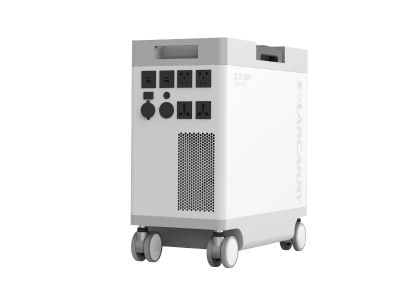
Przenośność to kolejny czynnik do rozważenia. Wiele nowoczesnych generator energii słonecznej stacje są zaprojektowane tak, aby można je było stosunkowo łatwo transportować i instalować. Użytkownicy mogą umieścić panele słoneczne w miejscu o dobrym nasłonecznieniu i podłączyć je do stacji zasilania. Tradycyjne generatory zapewniają stałą moc wyjściową niezależnie od nasłonecznienia. Dlatego są one przydatne w nocy, przez dłuższe okresy pochmurnej pogody lub w sytuacjach nagłych, gdy wymagana jest natychmiastowa energia. Jednak użytkownicy muszą zapewnić stały zapas paliwa. Systemy słoneczne mają inną ograniczającą cechę, ponieważ ich wydajność ładowania zależy od dostępnego światła słonecznego oraz pojemności akumulatora. System z wystarczającą pojemnością magazynowania energii może nadal dostarczać prąd po zachodzie słońca, ale całkowita dostępna energia zależy od ilości zgromadzonej. Dla firm odpowiedni wybór zależy od konkretnego zastosowania. Tradycyjny generator może być odpowiedni tam, gdzie wymagana jest wysoka, ciągła moc niezależnie od warunków pogodowych, podczas gdy przenośne zasilanie słoneczne może przyciągać firmy poszukujące cichszej pracy, energii odnawialnej oraz niższych stałych kosztów paliwa.
Gdzie firmy mogą znaleźć przenośne rozwiązania zasilania energią słoneczną do sprzedaży hurtowej?
Firmy, które potrzebują wielu przenośnych systemów zasilania, powinny podczas zakupu hurtowego brać pod uwagę zarówno specyfikacje produktów, jak i wiarygodność dostawcy.
Poforce zapewnia przenośne rozwiązania zasilania słonecznego zaprojektowane dla różnych potrzeb energetycznych. Firmy mogą oceniać dostępne systemy pod kątem ich zamierzonych zastosowań, wymagań mocy, pojemności akumulatora, opcji ładowania oraz przenośności. Przed zakupem firmy powinny określić, jakie urządzenia mają być zasilane. Małe urządzenia, takie jak telefony komórkowe, laptopy, oświetlenie i sprzęt telekomunikacyjny, zazwyczaj wymagają mniejszej mocy niż narzędzia, lodówki, pompy lub inne urządzenia o wysokim poborze mocy. Innym ważnym czynnikiem jest pojemność akumulatora. Większy akumulator może przechowywać więcej energii elektrycznej do późniejszego wykorzystania, ale może również zwiększać ogólną wielkość i masę przenośnego systemu. Zakupujący powinni dostosować pojemność magazynowania do przenośności, biorąc pod uwagę sposób użytkowania sprzętu. Należy także przeanalizować pojemność wejściową paneli słonecznych. System, który może przyjmować więcej duży generator zasilany energią słoneczną może się ładować szybciej w odpowiednich warunkach nasłonecznienia. Rzeczywista wydajność ładowania zależy jednak od wielu czynników, takich jak natężenie światła słonecznego, ustawienie paneli, temperatura, zacienienie oraz ograniczenia systemu. Kupujący hurtowi powinni również zapytać dostawców o ilości zamawianych sztuk, harmonogramy dostaw, gwarancje produktu, wsparcie techniczne, opakowanie oraz dostępne konfiguracje. Platformy handlu elektronicznego mogą zapewnić dodatkowe opcje do porównania, ale zakupujący powinni dokładnie analizować specyfikacje techniczne, a nie polegać wyłącznie na opisach produktów lub recenzjach klientów. Dla firm zakupujących sprzęt w większych ilościach testowanie próbek przed złożeniem dużego zamówienia może również okazać się przydatne. Pozwala to zespołom ocenić przenośność, wydajność ładowania, działanie akumulatora oraz kompatybilność ze sprzętem firmy.
Dlaczego przenośna energia słoneczna jest bardziej przyjazna dla środowiska?
Wpływ na środowisko jest jednym z głównych powodów, dla których firmy rozważają zastosowanie przenośnych systemów energii słonecznej zamiast tradycyjnych generatorów spalinowych. Panele słoneczne wytwarzają energię elektryczną ze światła słonecznego, nie spalając benzyny ani oleju napędowego w trakcie pracy. Ponieważ w normalnym procesie generowania energii słonecznej nie zachodzi spalanie, przenośne systemy słoneczne nie wytwarzają bezpośrednich emisji wydechowych związanych z generatorami spalinowymi. Tradycyjne generatory emitują gazy wydechowe podczas spalania paliwa w swoich silnikach. W zależności od rodzaju paliwa i sprzętu emisje te mogą obejmować dwutlenek węgla oraz inne zanieczyszczenia. Zmniejszenie zależności od sprzętu napędzanego paliwem może więc pomóc firmom obniżyć emisje związane z użytkowaniem przenośnych źródeł zasilania.
Energia słoneczna może również zmniejszyć potrzebę transportu i magazynowania paliwa. Firmy działające w odległych lokalizacjach mogą uznać tę cechę za szczególnie przydatną, ponieważ transport paliwa zwiększa złożoność logistyczną. Inną zaletą jest to, że sprzęt słoneczny, przy odpowiedniej konserwacji, może zapewniać korzyści przez wiele lat. Panele słoneczne mają zazwyczaj długą żywotność eksploatacyjną, podczas gdy baterie i inne komponenty wymagają osobnego rozpatrzenia ich okresu użytkowania.
Jednak przenośna energia słoneczna nie jest całkowicie pozbawiona wpływu na środowisko. Panele słoneczne, baterie, elektronika, produkcja, transport oraz ostateczne przetwarzanie wtórne wiążą się ze zużyciem zasobów i energii. Mimo to wykorzystanie odnawialnego światła słonecznego w trakcie eksploatacji może ograniczyć zależność od paliw kopalnych.
Dla firm mających cele z zakresu zrównoważonego rozwoju przenośna przenośny generator energii słonecznej może również wspierać ich strategię środowiskową. Korzystanie z energii odnawialnej może świadczyć o zaangażowaniu w ograniczanie zużycia paliwa oraz wdrożenie czystszych technologii energetycznych. Poforce oferta rozwiązań zasilania słonecznego przenośnego, które pozwalają przedsiębiorstwom badać opcje energii odnawialnej w zastosowaniach mobilnych, na zewnątrz i jako zasilanie rezerwowe.
W jaki sposób przenośne zasilanie słoneczne może pomóc przedsiębiorstwom oszczędzać pieniądze?
Koszty eksploatacji to kolejny ważny czynnik przy porównywaniu przenośnego zasilania słonecznego z tradycyjnymi agregatami prądotwórczymi. Tradycyjne agregaty wymagają paliwa przy każdej pracy. Firmy często korzystające z agregatów mogą więc ponosić ciągłe wydatki na benzynę lub olej napędowy. Ceny paliw mogą również ulec zmianie, co utrudnia przewidywanie długoterminowych kosztów eksploatacji. Przenośne zasilanie słoneczne wykorzystuje światło słoneczne jako źródło energii. Po zakupie sprzętu samo światło słoneczne nie wiąże się z żadnymi kosztami paliwa. Dzięki temu można obniżyć bieżące wydatki energetyczne, o ile system jest stosowany w odpowiedni sposób.
Wymagania serwisowe mogą się również różnić. Tradycyjne generatory spalinowe zawierają silniki i elementy mechaniczne, które wymagają regularnej konserwacji, w tym wymiany oleju oraz innych czynności serwisowych. Elektrownie słoneczne oparte na bateriach zazwyczaj mają mniej części ruchomych, ponieważ nie korzystają ze spalinowego silnika napędowego. Całkowita korzyść finansowa zależy nadal od konkretnego zastosowania. Sprzęt słoneczny może mieć wyższą początkową cenę zakupu, podczas gdy generator paliwowy może zapewniać większą moc wyjściową w przypadku niektórych wymagających zastosowań. Firmy powinny zatem porównać początkowy koszt zakupu sprzętu z przewidywanymi kosztami eksploatacji w okresie jego użytkowania. Przy obliczaniu potencjalnych oszczędności należy uwzględnić pojemność baterii, zdolność do ładowania energią słoneczną, częstotliwość użytkowania oraz zapotrzebowanie na energię elektryczną. Niektóre firmy mogą ponadto mieć dostęp do zachęt związanych z energią odnawialną, zwrotów części kosztów lub innych programów – w zależności od lokalizacji i spełnienia określonych kryteriów. Te programy różnią się znacznie, dlatego firmy powinny sprawdzić obowiązujące przepisy lokalne przed uwzględnieniem ich w obliczeniach finansowych. Dla firm, które regularnie potrzebują przenośnego zasilania elektrycznego, ograniczenie zużycia paliwa może uczynić energię słoneczną atrakcyjną opcją długoterminową.
Jakie są najnowsze trendy w technologii przenośnych paneli słonecznych?
Technologia przenośnych paneli słonecznych nadal się rozwija, ponieważ producenci starają się poprawić jej wydajność, przenośność, pojemność magazynowania oraz łatwość użytkowania. Jednym z ważnych trendów jest opracowywanie lżejszych i bardziej kompaktowych paneli słonecznych. Ulepszenia w projektowaniu paneli pozwalają firmom łatwiej przenosić i wdrażać sprzęt słoneczny, jednocześnie zapewniając skuteczną generację energii. Technologia akumulatorów stanowi kolejną główną dziedzinę rozwoju. Nowoczesne przenośne stacje zasilania coraz częściej wykorzystują zaawansowane systemy akumulatorów, które zapewniają znaczne zapasy energii w stosunkowo kompaktowych obudowach. Lepsza technologia akumulatorów pozwala użytkownikom magazynować energię elektryczną w słoneczne okresy i wykorzystywać ją później, gdy generacja energii słonecznej nie jest możliwa.
Inteligentne zarządzanie energią również staje się coraz powszechniejsze. Niektóre przenośne systemy zasilania zawierają funkcje monitoringu, które pozwalają użytkownikom śledzić poziom naładowania akumulatora, zużycie mocy, stan ładowania oraz inne informacje. Może to pomóc przedsiębiorstwom lepiej zrozumieć, jak działa ich sprzęt, oraz bardziej efektywnie zarządzać dostępną energią. Kolejnym przydatnym rozwiązaniem są wielokrotne metody ładowania. W zależności od systemu przenośne stacje zasilania mogą być ładowane za pomocą paneli słonecznych, prądu przemiennego (AC), ładowania z pojazdu lub innych kompatybilnych źródeł. Posiadanie wielu opcji ładowania zapewnia większą elastyczność w różnych środowiskach pracy. Ważne jest również poprawione przenośność. Firmy często potrzebują sprzętu, który można łatwo przewozić między lokalizacjami roboczymi bez konieczności skomplikowanej instalacji. Zwarte konstrukcje, uchwyty do przenoszenia, kółka oraz modułowe panele słoneczne ułatwiają wdrażanie.
W miarę jak te technologie dalej się udoskonalają, przenośna energia słoneczna może stawać się coraz bardziej praktycznym rozwiązaniem dla firm poszukujących cichszego, czystszy i bardziej elastycznego alternatywnego źródła zasilania w porównaniu do tradycyjnych generatorów. Ostatecznie najlepsze rozwiązanie zależy od zapotrzebowania firmy na moc, warunków eksploatacji, budżetu oraz przewidywanego zakresu użytkowania. Poforce oferta rozwiązań w zakresie przenośnej energii słonecznej, które firmy mogą ocenić przy poszukiwaniu niezawodnej energii odnawialnej do pracy na zewnątrz, operacji mobilnych, zasilania rezerwowego oraz innych zastosowań.
Spis treści
- Przenośne energie słoneczne kontra tradycyjne generatory: które rozwiązanie jest lepsze dla firm?
- W jaki sposób przenośna energia słoneczna porównuje się do tradycyjnych generatorów?
- Gdzie firmy mogą znaleźć przenośne rozwiązania zasilania energią słoneczną do sprzedaży hurtowej?
- Dlaczego przenośna energia słoneczna jest bardziej przyjazna dla środowiska?
- W jaki sposób przenośne zasilanie słoneczne może pomóc przedsiębiorstwom oszczędzać pieniądze?
- Jakie są najnowsze trendy w technologii przenośnych paneli słonecznych?